
The Most Overlooked Part of Summer Training: Recovery
By Coach Keller
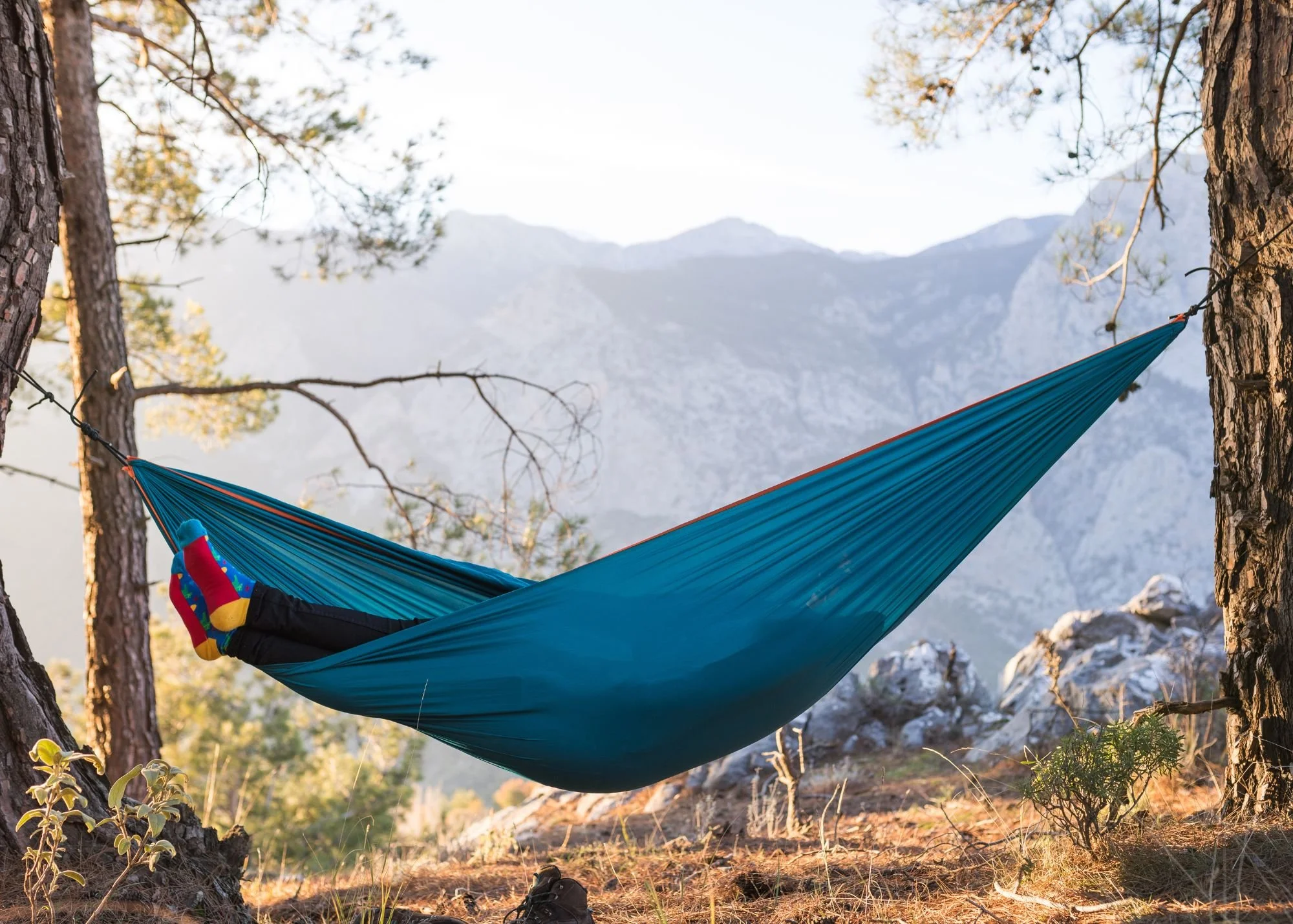
Summer has an incredible way of keeping us moving. Like, nonstop.
Long weekends of camping trips, bike parks, and island-hopping. After-work evenings become trail runs, mountain bike rides, hikes, paddling on the lake, climbing sessions, or tackling weeds in the garden. Every sunny evening feels like an invitation to stay outside just a little longer. It's one of the best parts of living in the Pacific Northwest.
But by the time August arrives, many people notice something: they're really tired.
Workouts feel harder than they did in June. Strength numbers stall. Motivation dips. Maybe you're sleeping a little less, grabbing meals on the go, or feeling sore more often than usual.
If that sounds familiar, you don't necessarily need more discipline, you might just need more recovery.
If you’ve been looking for permission to rest a bit more, here it is!
Summer Adds More Training Than We Think
When we think about training load, we often think about what happens inside the gym. But your body doesn't separate a heavy squat session from a 10-mile hike in the North Cascades, an afternoon of hauling climbing gear, or a full day on your mountain bike.
Muscle fatigue is muscle fatigue. And your body simply keeps track of how much work it's being asked to do.
That means all the extra movement that makes summer so enjoyable also adds to your overall workload. Throw in travel, disrupted sleep schedules, hotter temperatures, and jam-packed social calendars, and your recovery "bucket" can drain surprisingly fast.
Even activities that aren’t specifically gym workouts—walking around a new city on vacation, paddling for a few hours, or spending the weekend landscaping the yard—still require energy. While those adventures are absolutely worth it, they also increase the amount of recovery your body needs.
This doesn't mean you should stop enjoying summer, and it also doesn’t mean the gym is the best answer. The goal is simply to recognize that recovery deserves just as much attention as training—especially this time of year.
Recovery isn't about doing less. It's about giving your body what it needs so you can keep doing the things you love.
Recovery Is Where Progress Happens
Every workout creates a small amount of stress. That's intentional. Strength, endurance, and fitness improve because your body adapts after that stress is over.
Without adequate recovery, though, those adaptations become harder to make.
You might notice:
Workouts feel unusually difficult.
You stay sore longer than normal.
You're more irritable or mentally drained.
Your energy never quite rebounds.
Small aches and pains linger.
These aren't always signs that you need to train harder. More often, they're signs that your body is asking for a little more support.
Fortunately, recovery doesn't have to mean spending an entire day on the couch. (We know you’re not going to do that anyway…) But just remember, small habits often make the biggest difference.
1. Protect Your Sleep Whenever You Can
Summer schedules aren't exactly known for consistency. Sunset bike rides turn into patio dinners. Camping trips mean sleeping on an air mattress. Early alpine starts and weekend road trips can leave you running on less sleep than usual.
No one expects perfect sleep all summer long, but it's worth protecting whenever possible.
Sleep is when your body repairs muscle tissue, regulates hormones, replenishes energy stores, and consolidates the movement patterns you're practicing in the gym.
If you've had a busy weekend in the mountains or a few late nights with friends, don't be afraid to make the following week a little lighter. Going to bed even 30 minutes earlier for a few nights can make a noticeable difference in how you feel.
Think of sleep as one of your most effective recovery tools—not just something you earn after working hard.
2. Stay Ahead of Hydration
Summer activity often means we're sweating much more than we realize.
Whether you're climbing at Squamish, running Galbraith trails, paddling on the bay, or coaching your kid's soccer tournament in the sun, you're losing fluids throughout the day.
Even mild dehydration can affect strength, endurance, concentration, and recovery. Yet many people don't notice they're behind until they're already feeling sluggish or nursing a headache.
Keep a water bottle nearby throughout the day, not just during workouts. If you've been sweating heavily on a long ride, hike, or training session, consider replacing electrolytes as well.
Hydration is one of the easiest ways to boost recovery.
3. Match Your Workout to Your Week
This might be the hardest recovery strategy for active people.
There's often an urge to keep pushing through fatigue because we're worried about losing progress. But recovery isn't the opposite of progress, it is an essential part of it.
If you spent Saturday climbing, Sunday hiking, and squeezed in a long trail run after work on Tuesday, your body has already accumulated a significant amount of training stress, even if only one of those sessions happened in the gym.
Instead of skipping movement altogether, adjust your workout to match the week you've had. Lift a little lighter. Reduce the volume. Swap high-intensity intervals for mobility work or an easy recovery ride. You don't have to choose between going all-out and doing nothing.
Showing up consistently, even if every workout isn't your hardest, is far more valuable than pushing yourself into exhaustion.
Recover as Hard as You Train
One of the biggest goals of strength training isn't simply to get stronger inside these four walls. It's to help you enjoy life outside of them.
We train so we can hike farther without our knees aching. So we can ride one more lap before calling it a day. So we can shoulder a backpack, carry a kayak, scramble up a ridgeline, or spend an entire weekend exploring without worrying whether our bodies can keep up.
Summer is full of opportunities to put your fitness to use, this is why we do it after all!
As August rolls on, remember that recovery isn't a sign you're falling behind, but it also isn’t optional either. Recovering well is the main reason you're able to keep showing up for your workouts, your adventures, and the people you enjoy them with.
So if you're feeling a little more tired than usual this month, don't assume you need to push harder.
Instead, ask yourself a different question:
Have I recovered as well as I've been training?
Sometimes, that's the habit and mindset shift that makes the biggest difference.
Here’s to putting your feet up tonight.
